Critical Mineral Race Creates 'Sacrifice Zones' – UN Study Warns of Water Bankruptcy and Health Crises
Breaking: Global Demand for Critical Minerals Threatens Water Supplies and Poorest Communities
A new report from the United Nations University Institute for Water, Environment and Health (UNU-INWEH) reveals that the global race for critical minerals—lithium, cobalt, copper, and rare earth elements—is creating severe environmental and humanitarian crises in mining regions. The study finds that mining these essential resources for green technologies is depleting freshwater reserves and polluting water sources, disproportionately affecting the world's most vulnerable populations.
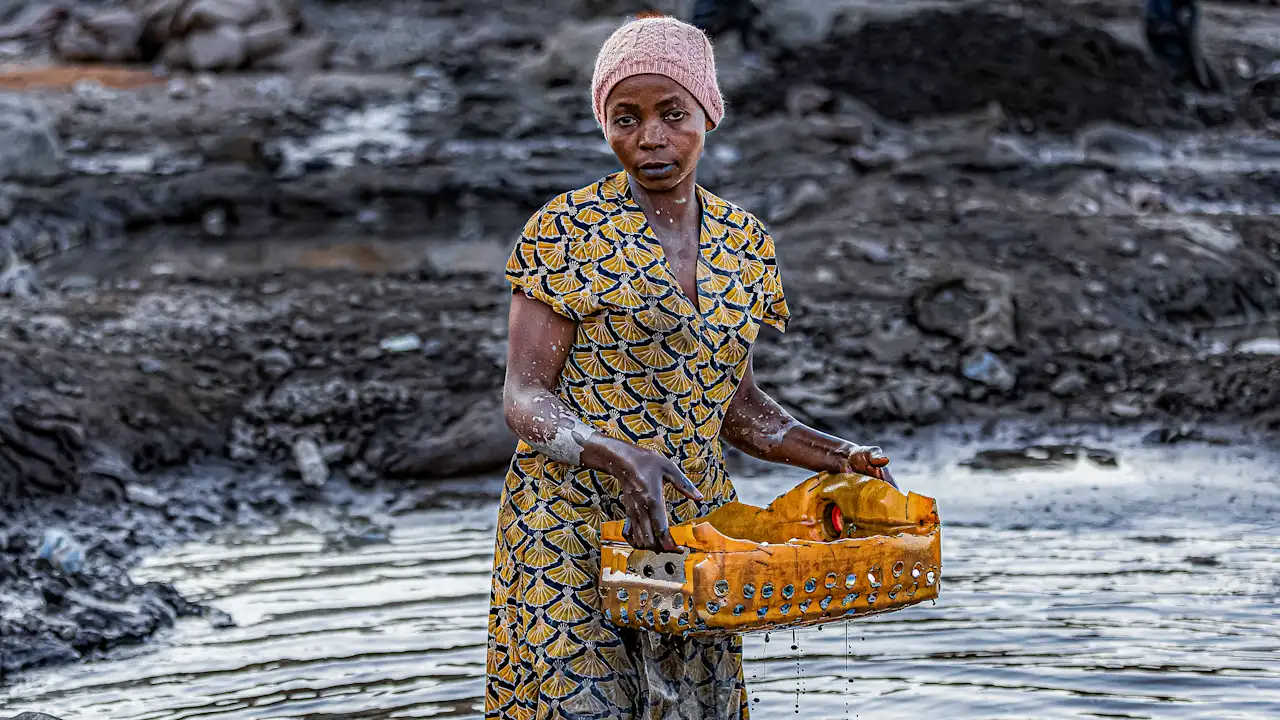
“There is a troubling contradiction at the heart of the transition to clean energy,” said lead researcher Dr. Aisha Al-Mansouri, a water security expert at UNU-INWEH. “The very technologies meant to solve climate change are, in many cases, worsening water scarcity and health outcomes for the poorest communities.”
In 2024 alone, global lithium production consumed an estimated 456 billion liters of water—equivalent to the annual domestic water needs of roughly 62 million people in sub-Saharan Africa, according to the report.
Background: The Hidden Cost of a Greener Future
Modern technologies—from artificial intelligence and wind turbines to electric vehicles and defense systems—depend on a suite of critical minerals. Lithium powers batteries, cobalt stabilizes them, copper carries electricity, and rare earth elements make devices efficient and durable. Yet these minerals are toxic and require enormous amounts of water to extract.
“We are repeating the mistakes of the fossil fuel era,” warned co-author Dr. Kwame Osei from Ghana, a researcher at UNU-INWEH. “In the 20th century, oil extraction left a legacy of pollution and inequality. Now, the mining of critical minerals risks creating new 'sacrifice zones' where local communities bear the costs of global technological progress.”
The report highlights that mining operations often occur in arid or water-stressed regions. In Chile’s Salar de Atacama, mining accounts for up to 65% of regional water use, competing directly with agriculture and fragile ecosystems. Groundwater levels have dropped, salt lagoons have shrunk, and freshwater aquifers face depletion and contamination.
What This Means: A Cycle of Injustice and Water Bankruptcy
Without strict regulation and monitoring, the authors argue, the critical mineral boom will deepen global water bankruptcy—a condition where humanity uses more freshwater than nature can replenish. “We risk irrecoverable ecosystem damage and worsening poverty,” said Dr. Al-Mansouri. “The poorest communities, who often live near mines, face polluted drinking water, health problems, and loss of livelihoods.”
Water pollution compounds the crisis. Mining generates toxic waste containing heavy metals, acids, and radioactive residues. For example, rare earth production can produce up to 2,000 metric tons of waste per metric ton of usable mineral. “This waste often ends up in rivers and groundwater, poisoning entire regions for generations,” added Dr. Osei.
The report calls for immediate action by governments, corporations, and international bodies to enforce sustainable mining practices, protect water rights, and ensure that clean energy transitions do not perpetuate historical injustices. “We have a choice,” Dr. Al-Mansouri concluded. “We can build a truly sustainable future—but only if we make the supply chain just and equitable.”
Source: United Nations University Institute for Water, Environment and Health (UNU-INWEH) report, 2025.
Related Articles
- Rivian Slashes Georgia EV Factory Capacity to 300,000 After DOE Cuts Loan to $4.5 Billion
- 5 Breakthroughs in Sennebogen's Electric Autonomous Material Handler
- Steel Industry Transition: Sierra Club Urges Balanced Investment Across South and Midwest
- A Step-by-Step Guide to Identifying Tesla 4680 Battery Underperformance in Your Model Y
- Master Your Mobile Presentations: A Complete Guide to the Tank Pad Ultra Rugged Tablet with Integrated 1080p Projector
- The Alarming Role of AI Chatbots in Escalating Gender-Based Violence and the Case for Regulation
- Sardinia's Renewable Energy Revolt: 210,000 Signatures Trigger Emergency Moratorium
- Top Green Deals: Aventon eMTB Hits New Low, EcoFlow Solar Bundles Slashed, and More