NVIDIA Nemotron 3 Nano Omni: A Unified Multimodal AI Model for Faster, More Efficient Agents
Introduction
Traditional AI agent systems often rely on separate models to handle vision, speech, and language tasks. This fragmented approach leads to increased latency, loss of context, and higher costs as data passes between models. NVIDIA's latest release, the Nemotron 3 Nano Omni, addresses these challenges by integrating vision, audio, and language processing into a single, open multimodal model. Designed for enterprises and developers, it enables the creation of faster, smarter, and more cost-effective AI agents.
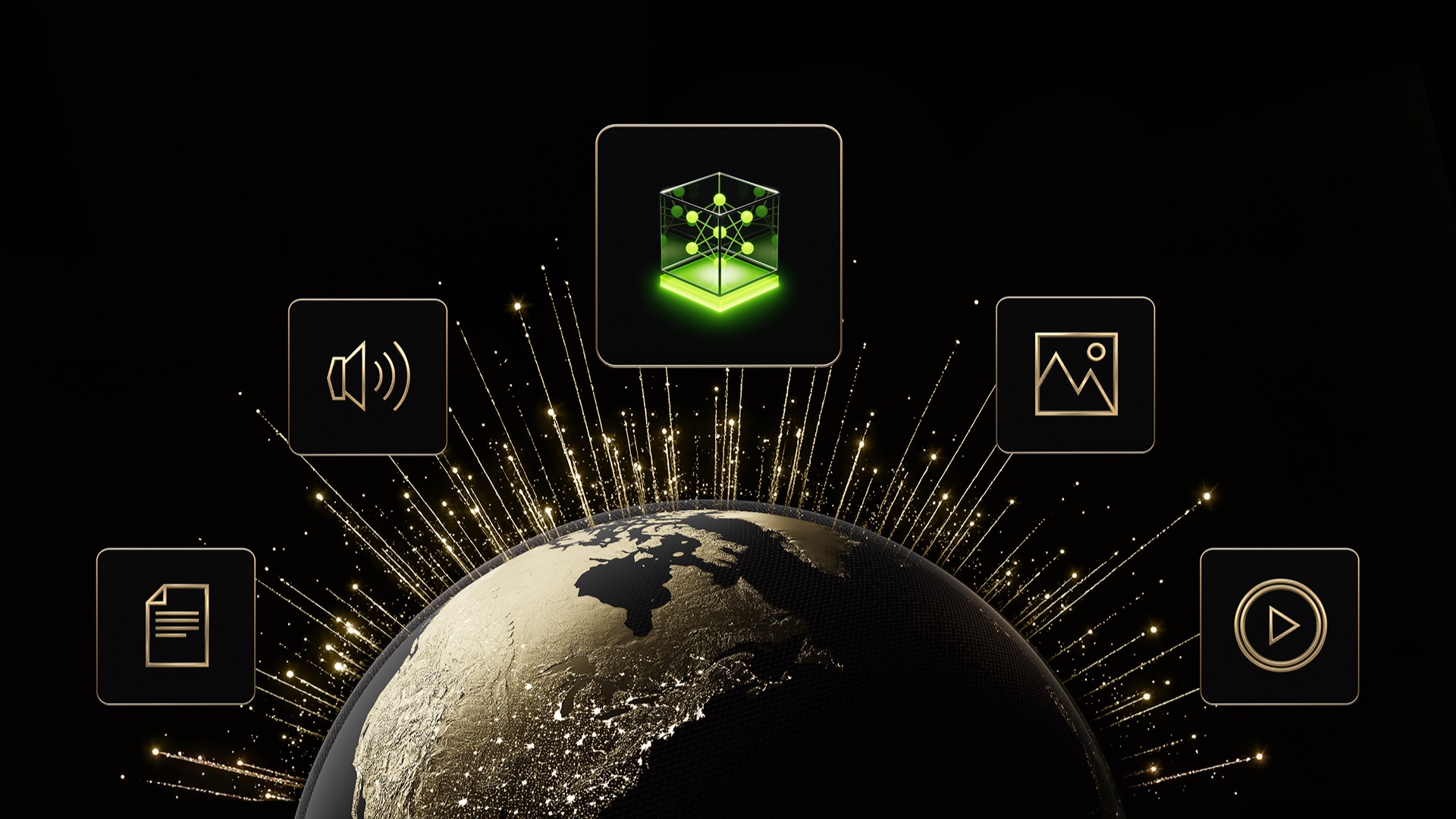
What Is Nemotron 3 Nano Omni?
Nemotron 3 Nano Omni is an open, omni-modal reasoning model that sets a new efficiency frontier for multimodal AI. It achieves leading accuracy while significantly reducing computational costs, topping six industry leaderboards in complex document intelligence, video understanding, and audio comprehension. The model acts as the "eyes and ears" within a system of agents, working alongside larger models like Nemotron 3 Super and Ultra or other proprietary systems.
Key Capabilities
- Inputs: Text, images, audio, video, documents, charts, and graphical interfaces
- Output: Text-based responses
- Target Audience: Enterprises and developers building fast, reliable agentic systems requiring multimodal perception
- Availability: April 28, 2026, via Hugging Face, OpenRouter, build.nvidia.com, and 25+ partner platforms
Architecture and Performance
The model is built on a 30B-A3B hybrid Mixture-of-Experts (MoE) architecture with Conv3D and EVS components, supporting a context window of 256K tokens. This design allows Nemotron 3 Nano Omni to process multimodal data efficiently, delivering up to 9x higher throughput than other open omni models with similar interactivity. The result is lower operational costs and better scalability without sacrificing response quality.
Benefits Over Traditional Approaches
In conventional agentic systems, separate models for vision, speech, and language increase latency through repeated inference passes, fragment context across modalities, and introduce inaccuracies over time. By unifying these capabilities, Nemotron 3 Nano Omni eliminates these inefficiencies. For example, a customer support agent can process a screen recording, analyze uploaded call audio, and check data logs simultaneously without losing context or slowing down.
Real-World Impact
Early adopters report transformative improvements. Gautier Cloix, CEO of H Company, stated: "To build useful agents, you can’t wait seconds for a model to interpret a screen. By building on Nemotron 3 Nano Omni, our agents can rapidly interpret full HD screen recordings — something that wasn’t practical before. This isn’t just a speed boost: It’s a fundamental shift in how our agents perceive and interact with digital environments in real time."
Adoption and Ecosystem
Several AI and software companies are already integrating Nemotron 3 Nano Omni into their workflows. Adopters include Aible, Applied Scientific Intelligence (ASI), Eka Care, Foxconn, H Company, Palantir, and Pyler. Additionally, Dell Technologies, Docusign, Infosys, K-Dense, Lila, Oracle, and Zefr are currently evaluating the model for potential use.
Conclusion
NVIDIA Nemotron 3 Nano Omni represents a significant step forward in multimodal AI by combining vision, audio, and language into a single, efficient model. With its open nature, leading accuracy, and high throughput, it provides a production-ready path for enterprises and developers to build more responsive and cost-effective AI agents. The model’s availability on multiple platforms ensures broad accessibility, paving the way for innovative applications across industries.
Related Articles
- Designing Imaging Systems by Measuring Information Content
- Python 3.15.0 Alpha 1: A Developer Preview of Upcoming Features
- When Observability Becomes Dependency: Hyrum's Law, Restartable Sequences, and the TCMalloc Dilemma
- 7 Key Updates About the Python Insider Blog Migration
- Conversational Ad Management: Building a Natural Language Interface for Spotify Ads with Claude Code Plugins
- Mastering the Brimble Challenge: A Junior Developer's Journey
- AI Agents Rewrite the Playbook: Will Human-Written Source Code Become Obsolete?
- AI Agent Now Debugging Flaky Tests in Java — JetBrains Unveils Breakthrough Tooling