The Surprising Connection Between Vitamin B2 and Cancer Cell Survival
A recent study has unveiled an unexpected role for vitamin B2 (riboflavin) in cancer biology. Instead of being purely beneficial, this essential nutrient may actually help tumor cells evade a form of programmed cell death known as ferroptosis. Researchers found that vitamin B2 supports a protective shield within cancer cells, keeping them alive. However, they also discovered that a vitamin B2-like compound, roseoflavin, can dismantle this shield and trigger cancer cell death. Below, we answer key questions about this fascinating finding.
What did scientists discover about vitamin B2 and cancer cells?
Scientists discovered that vitamin B2, which is typically associated with energy production and antioxidant defense, has a dark side: it may help cancer cells survive. The vitamin supports a cellular mechanism that shields tumors from ferroptosis—a type of programmed cell death that is naturally linked to cancer suppression. In laboratory tests, the team showed that when this shield is intact, cancer cells resist ferroptosis. By using a compound similar to vitamin B2 called roseoflavin, they were able to break down that protection and force the cancer cells to die.
What is ferroptosis and why is it important in cancer?
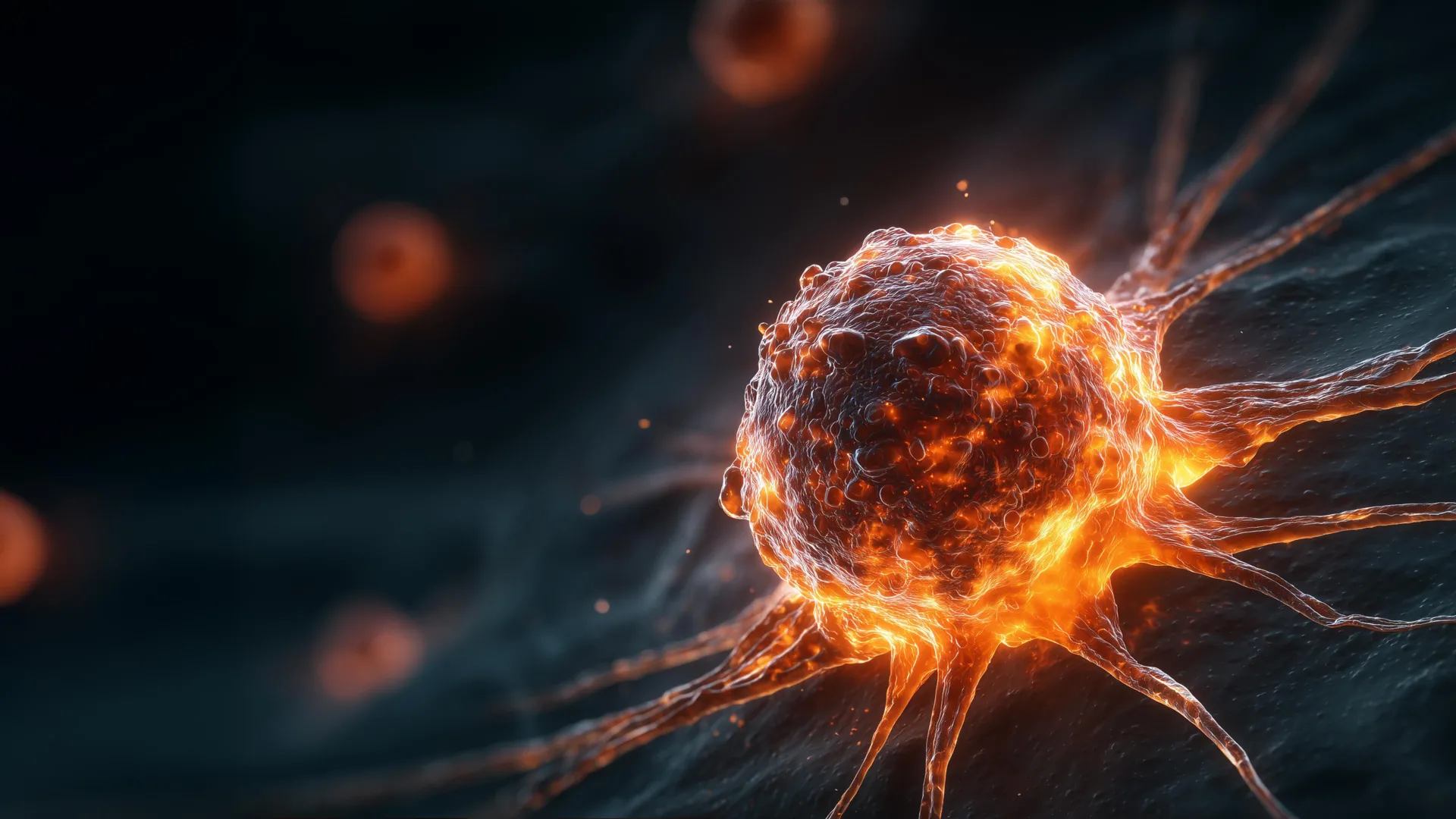
Ferroptosis is a form of regulated cell death driven by iron-dependent accumulation of lipid peroxides. Unlike apoptosis, which is more commonly studied, ferroptosis is particularly relevant for cancer treatment because many aggressive tumors are vulnerable to it. When ferroptosis is triggered, cells undergo oxidative damage that destroys their membranes. This process is naturally suppressed in some cancers, allowing them to thrive. The new research shows that vitamin B2 helps maintain that suppression, hinting that blocking its action could be a powerful way to induce cancer cell death.
How does vitamin B2 help protect cancer cells?
Vitamin B2 acts as a precursor for flavin coenzymes like FAD and FMN, which are critical for many cellular reactions. In cancer cells, these coenzymes support an antioxidant defense system that neutralizes the lipid peroxides that would otherwise trigger ferroptosis. Specifically, the vitamin B2-derived molecules help recycle an important antioxidant called glutathione and support enzymes that repair oxidized lipids. By keeping these systems active, vitamin B2 essentially enables cancer cells to maintain a protective shield against ferroptosis.
What is roseoflavin and how does it work?
Roseoflavin is a natural compound produced by the bacterium Streptomyces davawensis. It closely resembles vitamin B2 but has a slightly different structure that allows it to act as an antagonist. When introduced into cells, roseoflavin competes with genuine vitamin B2 for incorporation into flavin coenzymes. The resulting defective coenzymes can no longer support the antioxidant shield effectively. This weakens the cancer cells' defense against ferroptosis, leading to their destruction. In the lab experiments, roseoflavin successfully killed cancer cells that were otherwise resistant to ferroptosis-inducing agents.
Could this discovery lead to new cancer treatments?
Yes, this finding opens up potential new avenues for cancer therapy. By targeting the vitamin B2 pathway, researchers could develop drugs that mimic roseoflavin's action to selectively kill cancer cells while sparing normal cells. Since normal cells also rely on vitamin B2 but may have different vulnerabilities, careful targeting is needed. The study suggests that combining roseoflavin with existing ferroptosis inducers might enhance effectiveness. However, more research is required to test these strategies in animal models and eventually in humans.
Should I be concerned about taking vitamin B2 supplements?
For healthy individuals, the findings do not suggest any immediate risk from normal dietary vitamin B2 or standard supplements. The study focused on the role of vitamin B2 inside established cancer cells under experimental conditions. In the body, vitamin B2 is essential for many healthy functions, and its levels are tightly regulated. However, for people with existing cancer, the implications are more complex—vitamin B2 might inadvertently support tumor survival. This does not mean avoiding vitamin B2 is advisable; instead, it highlights the need for careful research into how dietary factors influence cancer progression.
Related Articles
- 10 Breakthrough Facts About the Hidden Cancer-Fighting Compound in Tropical Plants
- Janet Petro's Retirement: A Q&A on Her Legacy at NASA Kennedy Space Center
- Military Space Defense and Lunar Ambitions: This Week in Rocketry
- 8 Key Insights into Vast's New High-Power Satellite Line
- 7 Surprising Facts About the New Fuel-Saving Lunar Route Discovered by Scientists
- May 2026 Night Sky Guide: Meteors, Planets, and a Blue Moon
- How to Build an AI Agent That Knows When to Use Tools (and When Not To)
- Pinpointing the Culprit: Automated Failure Attribution in Multi-Agent LLM Systems