OpenAI’s ChatGPT Banking Integration: Convenience vs. Privacy Risks
OpenAI has unveiled a new feature that allows ChatGPT to access your bank accounts, promising seamless financial management through conversational AI. While the integration leverages the secure platform Plaid to connect banks with the chatbot, beneath the surface lie significant privacy concerns that users must weigh against the convenience. This article explores how the feature works, what data is shared, and the trade-offs involved.
The New Feature: Banking via ChatGPT
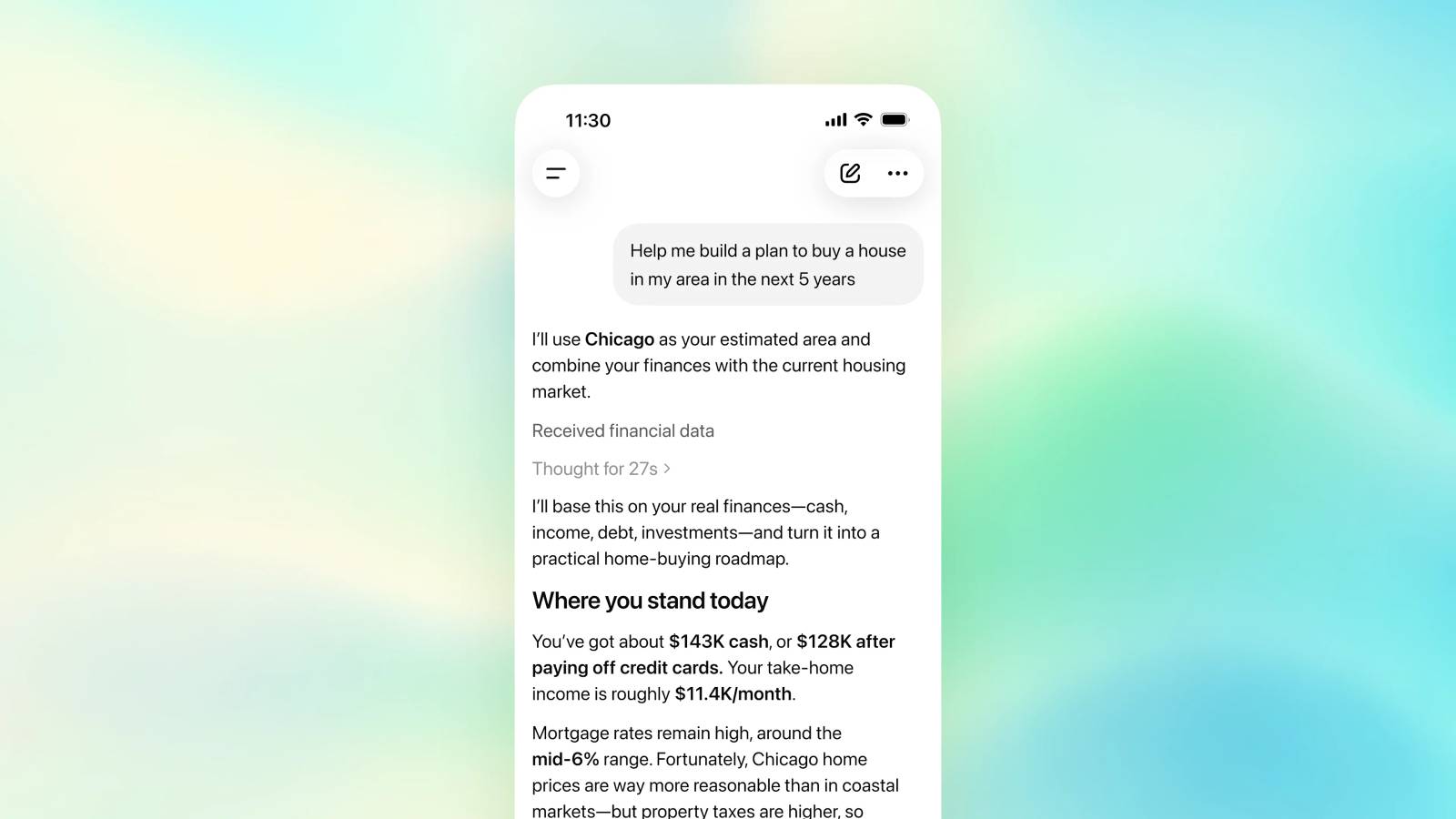
In a move that blurs the line between AI assistant and financial advisor, OpenAI now permits ChatGPT to retrieve account balances, transaction history, and other banking details. The company touts this as a time-saving tool for budgeting, spending analysis, and simple queries like “What did I spend on groceries last month?” The integration is powered by Plaid, a data aggregation service that securely links thousands of financial institutions with third-party apps.
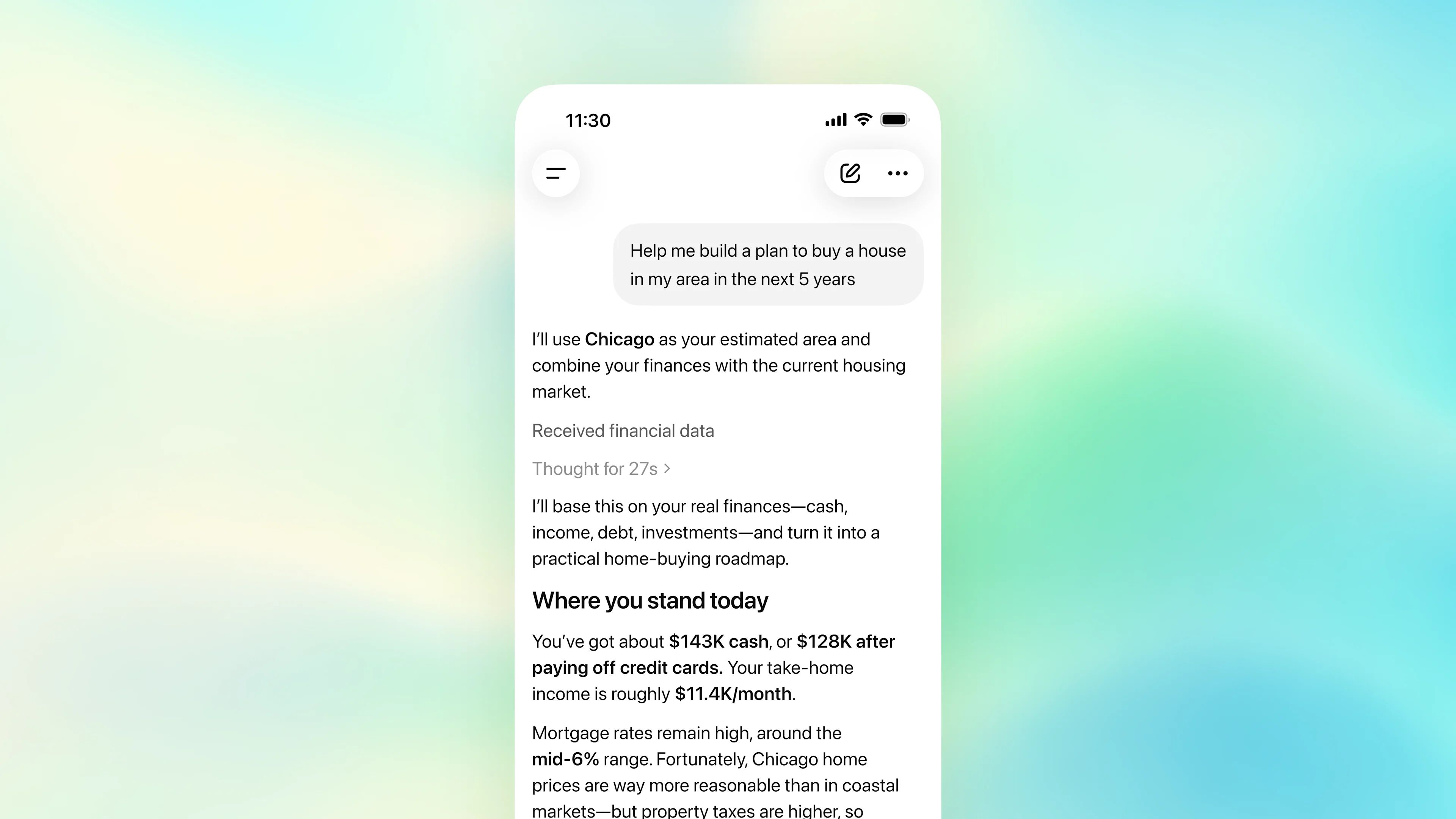
For users, the process appears straightforward: authorize Plaid to share read-only data with ChatGPT. OpenAI assures that the connection is encrypted and that ChatGPT does not store sensitive login credentials. Yet the very act of granting access to a large language model raises red flags.
How It Works: The Plaid Connection
Plaid acts as an intermediary, enabling ChatGPT to request specific data from your bank without needing your username and password directly. Instead, you authenticate through your bank’s portal, and Plaid provides a token that allows limited access. This token-based system is considered secure because the bank never talks to ChatGPT directly; all data flows through Plaid’s API.
However, the scope of that access is crucial. According to Plaid’s documentation, the token can be configured to allow reading of balances, transaction details, and account identifiers. OpenAI has stated that ChatGPT only uses this data to answer user prompts and does not retain it beyond the session unless you explicitly save it. But critics argue that the real risk lies in how the data might be used or leaked.
Privacy Concerns Beneath the Surface
What Data Does ChatGPT Access?
When you link your account, ChatGPT can potentially see every transaction, including merchant names, amounts, dates, and categories. For many, this level of financial transparency is unsettling. Even with read-only permissions, the AI can build a detailed profile of your spending habits, income, and even suggest areas where you might be vulnerable. OpenAI claims that the model does not learn from your personal data, but the system must process it to generate responses.
Potential Misuse or Data Breaches
The most glaring worry is a security incident. Although Plaid and OpenAI both employ strong encryption, no system is impenetrable. A data breach could expose years of financial records. Moreover, there is the question of internal misuse: could OpenAI employees or contractors view your banking data during model training or debugging? The company’s privacy policy states that data may be reviewed to improve the system, which many users find too vague.
Another fear is that aggregated financial data could be used for targeted advertising or sold to third parties—though OpenAI’s current business model does not rely on ads, its commercial partnerships are evolving. The company has not ruled out future uses that might monetize behavioral insights.
User Consent and Control
Currently, users can revoke access at any time through the app or website, and OpenAI promises to delete associated data once authorization is withdrawn. Yet the ease of granting permission contrasts sharply with the difficulty of knowing exactly where your data travels once it enters the AI’s context window. The balance between convenience and control remains a sticking point.
Balancing Convenience and Security
Best Practices for Users
If you decide to try the banking feature, consider these steps to mitigate risk:
- Limit the accounts linked: Connect only checking or savings, not investment or credit cards with high transaction volume.
- Monitor transactions regularly: Keep an eye on your bank statements for any suspicious activity.
- Use a dedicated Chat session: Avoid asking sensitive questions like account numbers or passwords even if the AI doesn’t store them.
- Review Plaid’s permissions: In your bank settings, you can see which apps have access and revoke them at any time.
What OpenAI Says
OpenAI has stressed that the feature is opt-in and that users retain full ownership of their data. The company’s documentation emphasizes that ChatGPT does not use your financial information to train future models. Still, experts advise caution until independent audits confirm these claims.
Conclusion
The banking integration marks a bold step toward making ChatGPT a central hub for personal finance. The privacy concerns are not trivial, but they can be managed with informed use. As with any digital service, the key is transparency—both on the part of the provider and the consciousness of the user. If you prioritize convenience over absolute privacy, the feature may be worth trying; otherwise, it’s wise to wait for stronger safeguards.
Related Articles
- The Shift in Smartphone Interaction: Google's Gemini Intelligence and the Future of Android
- Unveiling Complex Dependencies: 8 Crucial Points About Interaction Detection in LLMs
- Beyond the CB Radio Effect: How New AI Models Are Revolutionizing Real-Time Voice Conversation
- OpenAI Upgrades ChatGPT's Default Model: Enhanced Clarity, Accuracy, and Context Awareness
- The Hidden Cost of Friendly AI: Why Warm Chatbots Give Worse Answers
- How to Get Started with Anthropic's Programmatic Credit Pool for Agentic AI Tools
- 7 Key Insights into OpenAI’s Daybreak and Anthropic’s Glasswing: What You Need to Know
- Why Inference Systems Are the Next Frontier in Enterprise AI