Sharing the American Dream: A Path to Guaranteed Minimum Income
In a recent speech at Cooper Union's Great Hall, I explored the evolving meaning of the American Dream and introduced a bold vision for its future. Drawing from James Truslow Adams' 1931 definition, I argue that the dream is not merely about personal success but about creating a society where everyone can thrive. A pivotal moment came while watching a high school production of The Outsiders, which inspired the phrase “Stay Gold” as a metaphor for sharing prosperity. This led to the Pledge to Share the American Dream—a two-part initiative combining immediate charitable donations with long-term structural change, including a guaranteed minimum income. Below, I answer key questions about this transformative idea.
What Is the American Dream According to James Truslow Adams?
James Truslow Adams first coined the term in 1931, during the Great Depression. He described it as a land where life becomes better, richer, and fuller for everyone, with opportunity based on ability or achievement. Crucially, he emphasized that it is not just about motor cars and high wages but a social order where each person can attain their fullest potential, regardless of birth or position. This vision remains a benchmark for what we strive to achieve today. The dream is inclusive, demanding that we look beyond material wealth to create a society that recognizes intrinsic worth.
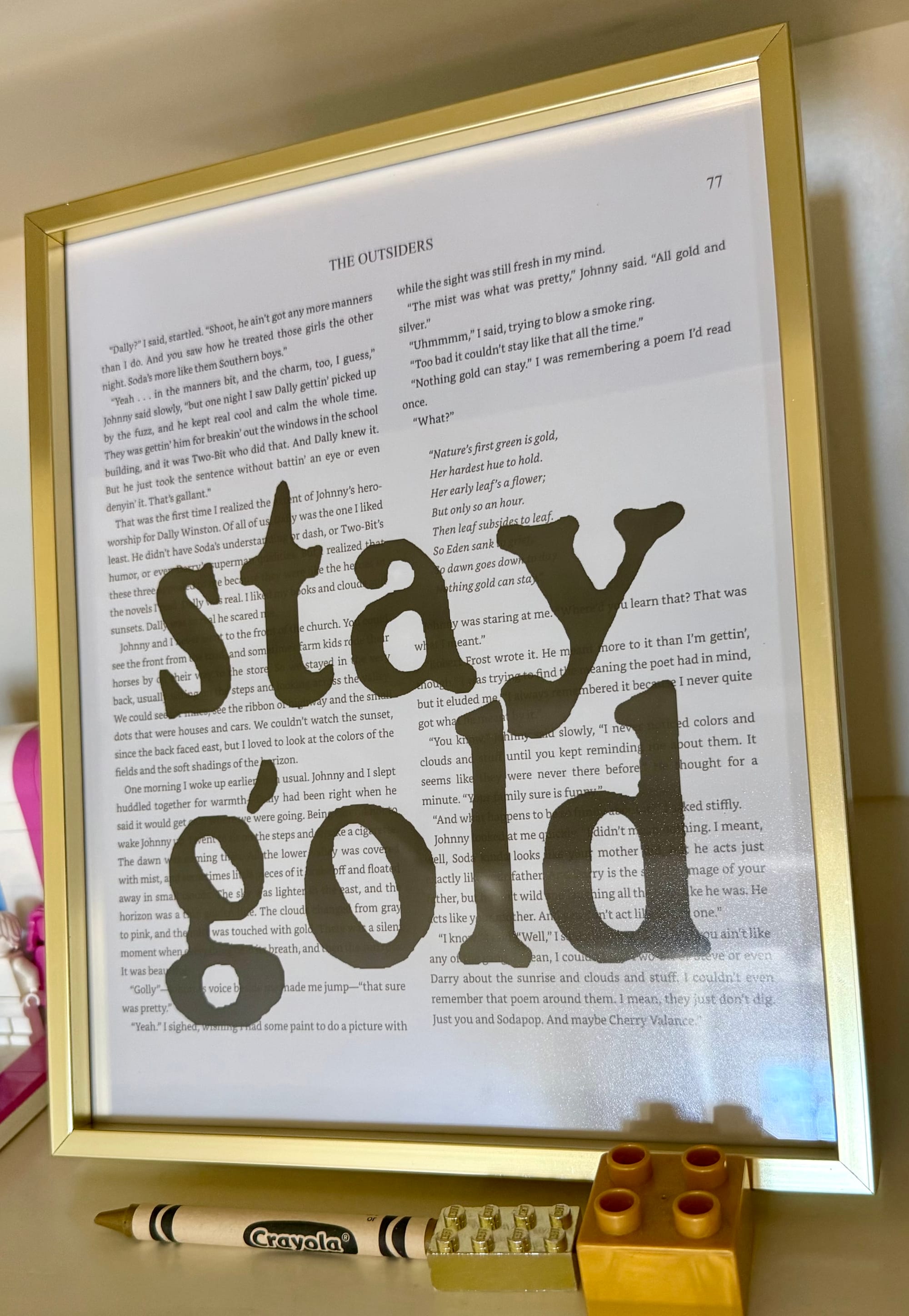
How Did “Stay Gold” Become Central to Sharing the American Dream?
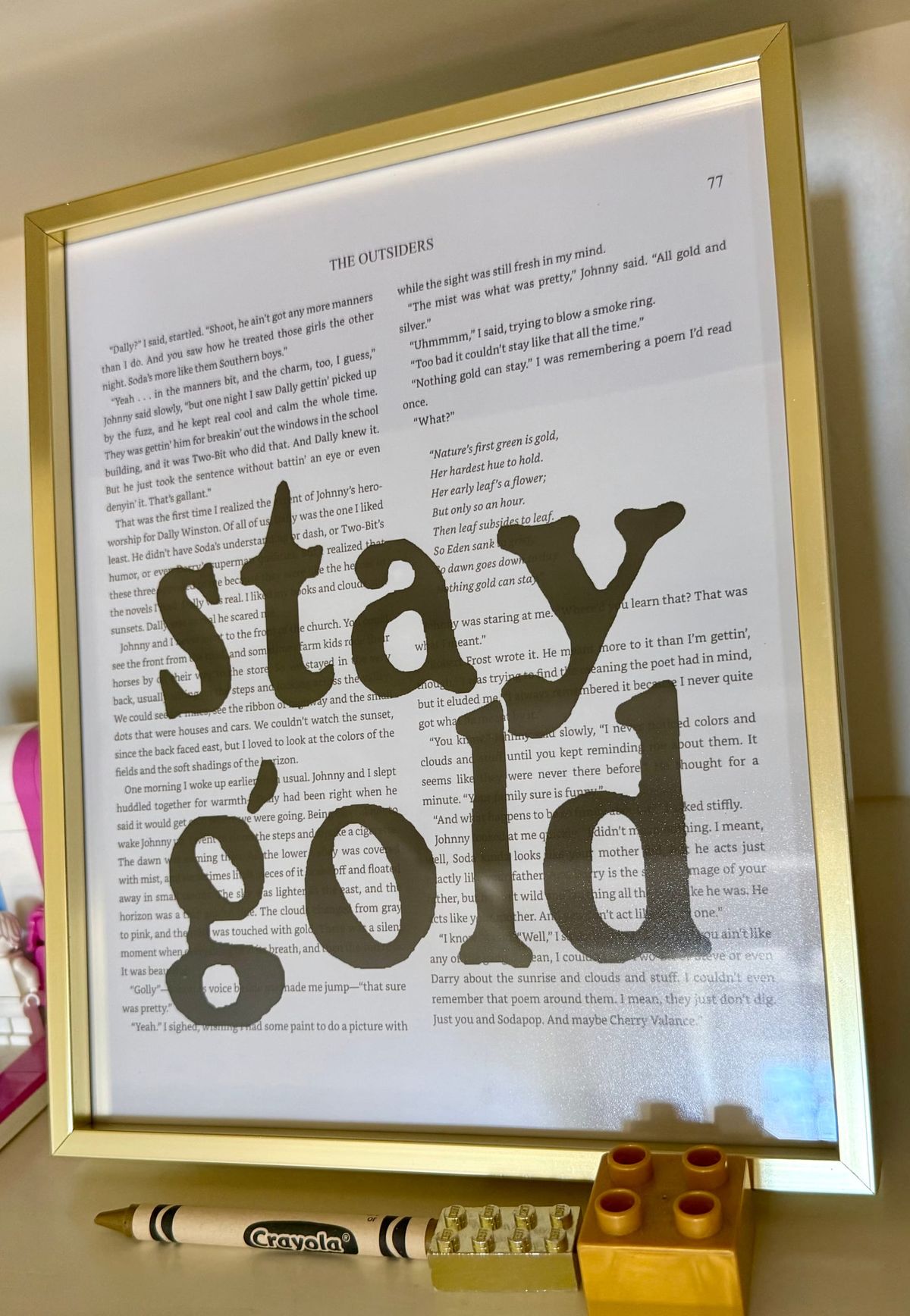
While watching my son’s high school adaptation of S.E. Hinton’s The Outsiders, I finally grasped the deeper meaning of Ponyboy’s famous line, “Stay gold.” In the story, it represents holding onto innocence and goodness amid hardship. But for me, it became a call to action: We cannot merely attain the American Dream; we must share it with fellow Americans. That act of sharing is the final realization of the dream. Hinton’s novel gave my essay and pledge a name: “Stay Gold, America.” It’s a reminder that prosperity must flow outward to create a truly golden society.
What Is the Pledge to Share the American Dream?
The Pledge is a two-phase commitment I published on January 7th. The first phase addresses immediate needs: my family made eight $1 million donations to organizations like Team Rubicon, Children’s Hunger Fund, PEN America, The Trevor Project, NAACP Legal Defense Fund, First Generation Investors, Global Refuge, and Planned Parenthood. Additionally, we donated to technical infrastructure projects such as Wikipedia, the Internet Archive, and open-source software that power the modern world. These short-term fixes are vital, but the Pledge’s second act goes deeper—it calls for long-term structural changes, specifically a guaranteed minimum income, to ensure the dream is sustainable for all.
Why Did You Include Technical Infrastructure Donations in the Pledge?
Supporting open-source software and internet projects ensures the foundation of the American Dream remains strong in the digital age. Wikipedia, the Internet Archive, and Let’s Encrypt provide free access to knowledge, preserve cultural history, and secure online communications. These tools empower individuals and communities, enabling opportunity regardless of background. By reinforcing this infrastructure, we create a level playing field where innovation and education can flourish. It’s a strategic investment in the collective resources that modern society relies on, much like roads and bridges for the 20th century.
How Does a Guaranteed Minimum Income Fit Into the American Dream?
A guaranteed minimum income (GMI) is the structural change needed to complete the Pledge’s second act. While short-term donations address crises, GMI tackles systemic inequality that prevents people from reaching their full potential. Inspired by Adams’ vision, GMI provides a baseline of economic security, allowing individuals to pursue education, care for family, or start businesses without the fear of destitution. This is not a handout but a shared investment in human capital. It recognizes that the American Dream requires a social safety net so everyone can “stay gold” and contribute fully to society. The road not taken is now a necessary path forward.
How Can Other Americans Support This Vision?
I encourage every American to contribute in ways that align with their values. Start by donating to organizations that effectively help those in need—whether food banks, legal defense funds, or mental health services. If short-term giving isn’t feasible, advocate for policies like GMI at local and national levels. Share the Pledge and its principles with your community. The American Dream is not a solo endeavor; it’s a collective promise. Even small acts of generosity or advocacy reinforce the idea that prosperity must be shared. By working together, we can build a society where everyone has the chance to attain their fullest stature.
Why Did You Choose Cooper Union’s Great Hall for This Speech?
Cooper Union’s Great Hall carries a powerful legacy—Abraham Lincoln delivered his famous “Right Makes Might” speech there in 1860, which helped propel him to the presidency. It’s a historic venue for discussing the nation’s future. I joined Lieutenant Colonel Alexander Vindman to explore the American Dream’s relevance today. The setting underscored the urgency of reimagining our social contract. By speaking in that hallowed space, I aimed to connect past ideals with present action, reminding Americans that the dream is always a work in progress—and that sharing it is our highest duty.
Related Articles
- How to Understand the Impact of Subquadratic's $29M Seed Round and 12M-Token Context Window
- CME and ICE Lobby U.S. Regulators for Stricter Oversight of Offshore Crypto Platform Hyperliquid
- Ancient Crocodile Dynasty Uncovered: Australasia's Lost Apex Predators Revealed
- IBM Unveils AI Operating Model: 8 Key Questions Answered
- How to Evaluate Nvidia (NVDA) as a Long-Term Investment: A Comprehensive Guide
- From Digital Hopes to Real Power: The Evolution of Digital Rights in the Arab World
- 5 Key Insights Into the GTA 6 Trailer 3 Rumor That Fooled Fans
- AI Infrastructure Stocks: Key Questions for Growth Investors in 2026