10 Shocking Facts About Alaska’s 500-Meter Tsunami That No One Heard About
On August 10, 2025, a catastrophic landslide in Alaska unleashed a tsunami that towered nearly 500 meters high—one of the tallest ever recorded. But remarkably, almost no one knows about it. That’s because the wave struck in a remote fjord early in the morning, with zero casualties. Yet this event is a terrifying reminder that our coastlines face hidden dangers from landslide-triggered megatsunamis. Here are ten crucial things you must understand about this extraordinary natural disaster.
1. The Event Occurred in a Popular Tourist Destination
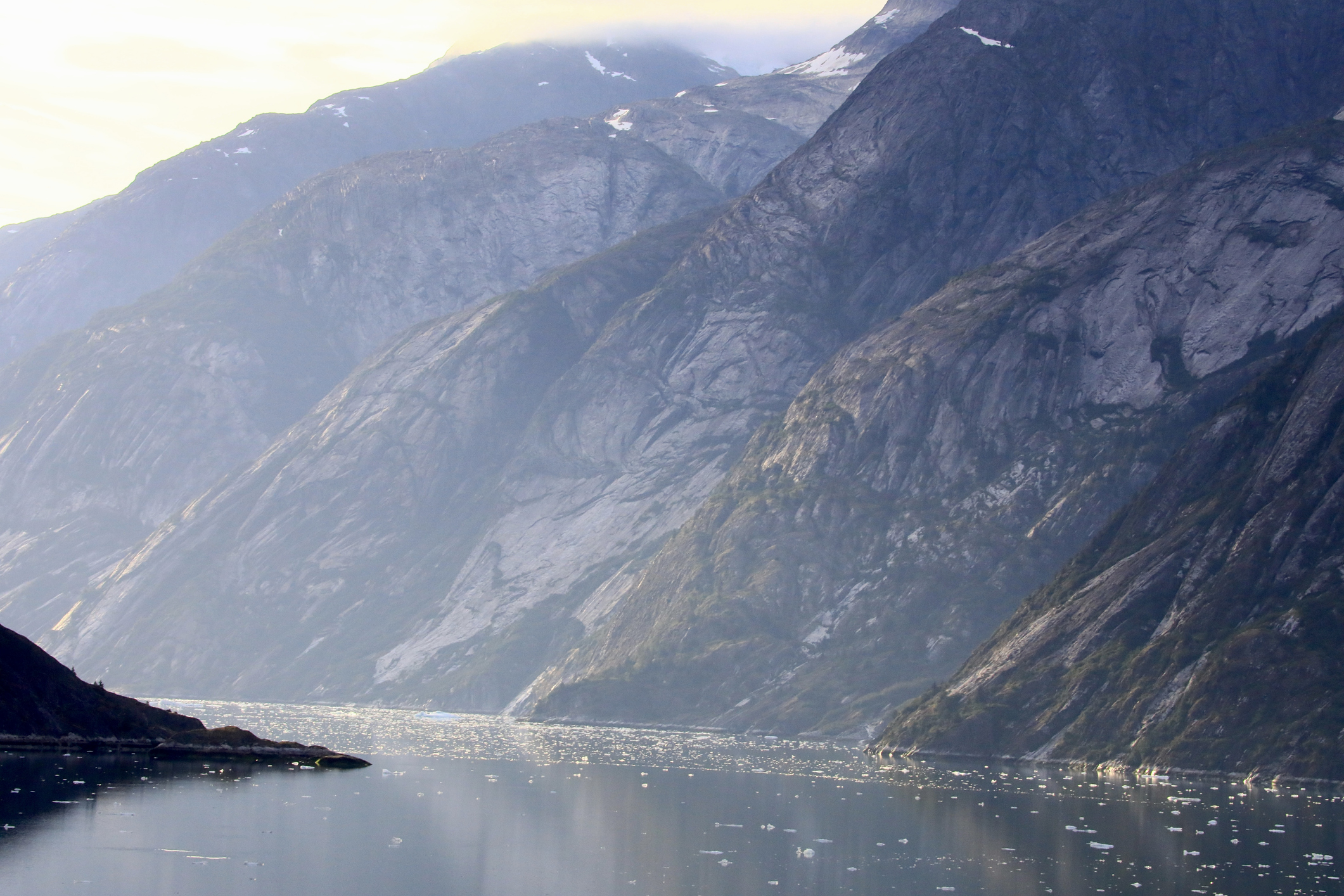
The Tracy Arm fjord is a stunning glacial valley in Southeast Alaska, drawing thousands of cruise ship passengers each year. Tourists flock to see tidewater glaciers, waterfalls, and seals. But at 5:26 a.m. on August 10, 2025, a massive wedge of rock—63.5 million cubic meters—broke free from a mountainside and crashed into the water at the head of the fjord. This area is known for its narrow, steep walls, making it especially dangerous for such landslides. Although no visitors were harmed that day, the potential for tragedy is immense.
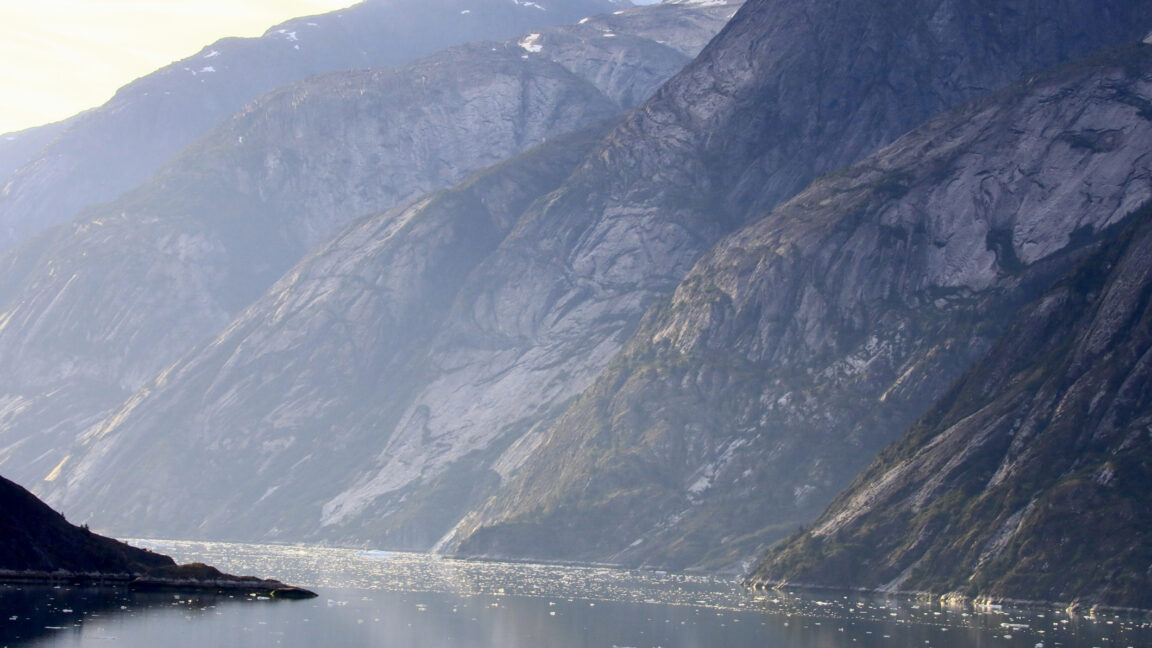
2. The Landslide Was Astonishingly Large
Geologists estimated the rock volume at 63.5 million cubic meters—enough to fill over 25,000 Olympic swimming pools. The wedge detached from a mountain above the terminus of the South Sawyer Glacier. Such enormous volumes are typical of catastrophic slope failures in glacially steepened terrain. As climate warms and permafrost thaws, these events may become more frequent.
3. The Initial Wave Was Over 100 Meters High
When the rock plunged into the water, it directly displaced the water column, creating a breaking wave that towered at least 100 meters high (higher than the Statue of Liberty). This wave tore across the fjord at speeds exceeding 70 meters per second (over 250 km/h). In seconds, it slammed into the opposite shoreline.
4. The Wave Ran Up to 481 Meters Above Sea Level
The wave’s fury surged up the steep rocky slopes on the other side of the fjord, reaching a staggering height of 481 meters above sea level. That is nearly half a kilometer—taller than the Empire State Building. This runup is the second highest ever recorded anywhere on Earth. Only the 1958 Lituya Bay tsunami was larger.
5. It Is the Second Tallest Tsunami in Recorded History
According to study co-author Aram Fathian of the University of Calgary, the Tracy Arm event ranks second only to the 1958 Lituya Bay megatsunami, which reached 530 meters. Both were caused by landslides. No earthquake-generated tsunami has ever come close to these heights—most are just a few meters tall.
6. No One Died Because of Perfect Timing
Despite the immense power, there were zero injuries or fatalities. Why? The landslide hit at 5:26 a.m. local time, when the fjord was empty of tourists and workers. Cruise ships and tour boats typically arrive later in the day. If it had occurred just a few hours later, the death toll could have been catastrophic, given Tracy Arm’s popularity.
7. Landslide Tsunamis Are Far More Violent Than Earthquake Tsunamis
Most tsunamis are triggered by earthquakes, with wave heights rarely exceeding 30 meters upon shore. But when millions of tons of rock fall into a confined body of water like a narrow fjord, the displacement creates extreme runups. Since 1925, scientists have documented 27 landslide tsunamis with runups over 50 meters. These events are localized but incredibly powerful.
8. The 1958 Lituya Bay Event Remains the Largest
The 1958 Lituya Bay tsunami in Alaska reached a runup of 530 meters—the highest wave ever observed. It was triggered by an earthquake-induced landslide. That wave stripped vegetation up to that height. The Tracy Arm event, with 481 meters, is a close second. Both show the extreme forces at play in glaciated fjords.
9. Scientists Reconstructed This Event in Detail
A study published in Science used satellite imagery, field surveys, and modeling to reconstruct the landslide and wave. Co-author Aram Fathian notes that the event went largely unnoticed outside scientific circles until now. The research highlights the need for monitoring of similar unstable slopes worldwide, especially as global warming increases slope failures.
10. Future Megatsunamis Are Inevitable
“We might not be so lucky next time,” warns Fathian. As glaciers retreat and permafrost thaws, mountainsides become unstable. Similar landslide tsunamis have occurred in Greenland, Norway, and Canada. Tourist areas like Tracy Arm face increasing risk. Local authorities and shipping companies are now reassessing safety protocols to avoid a tragedy.
The Tracy Arm megatsunami is a wake-up call. While we escaped disaster this time, the forces that shape our planet are not always gentle. Understanding these events—and preparing for them—is essential for anyone living or traveling in mountainous coastal regions.
Related Articles
- Harnessing AI for Accessible Image Descriptions: A Practical Guide
- How DNA from Living Descendants Helped Identify Doomed Franklin Expedition Sailors
- Urgent Warning: AI Email Assistants Found Stealing Passwords and Private Data
- Android 17 Launches 'Screen Reactions' Video Tool; Instagram Overhauls Collaboration Features
- Microsoft Defender False Positive Tags Legitimate DigiCert Root Certificates as Trojan
- 7 Key Strategies for Profitable Chrome Extensions: Real Data from 7 Freemium Tools
- Alaska's Colossal Landslide Tsunami: A Close Encounter with a Fiord-Wall Wave
- How to Protect Your Browser from Malicious AI Extensions That Steal Your Data