The GUARD Act After Revision: Key Questions and Persistent Problems
Lawmakers recently narrowed the GUARD Act, a bill aimed at restricting minors' access to certain AI systems, following criticism of its broad scope. While the revised version focuses on so-called "AI companions" rather than all chatbots, serious concerns remain about privacy, age verification, and parental choice. Below, we address the key questions surrounding the amended bill and its potential impacts.
What is the GUARD Act and why was it narrowed?
The GUARD Act was originally introduced to limit minors' access to AI systems, but its initial version was criticized for being overly broad—potentially covering nearly every AI-powered chatbot or search tool. After backlash, lawmakers amended the bill to focus specifically on "AI companions": conversational systems designed to simulate emotional or interpersonal interactions. This narrowing addressed some of the broadest concerns, but the revised bill still raises significant issues around privacy, online speech, and parental control.
How does the revised bill define "AI companions"?
The amended definition targets systems that "engage in interactions involving emotional disclosures" from the user or present a "persistent identity, persona or character." While narrower than before, the boundaries remain unclear. For example, a chatbot that offers empathetic responses could qualify, while a straightforward search tool might not. This vagueness creates uncertainty for developers and companies, especially given the bill's heavy penalties for misinterpretation. Critics argue that the definition leaves too much room for subjective judgment, potentially chilling innovation on harmless creative or educational tools.
What age verification requirements remain in the GUARD Act?
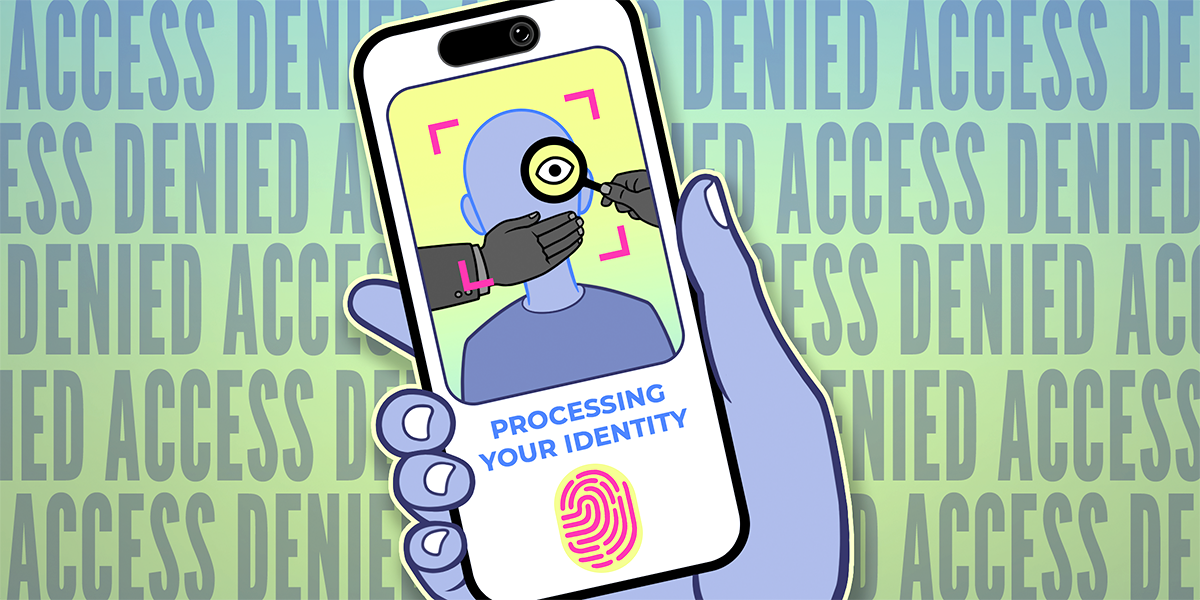
The revised bill still mandates that companies offering AI companions implement "reasonable age verification" systems tied to users' real-world identities. Methods include government IDs, financial records, or age-verified accounts from mobile operating systems or app stores. While the bill allows a broader set of verification options than the original, these still rely on sensitive personal or financial information. This creates barriers for millions of Americans without current government ID or stable access to digital identity systems, raising concerns about equity and access.
Why do privacy concerns persist despite the narrowing?
Privacy advocates argue that requiring identity-linked verification for online speech tools is inherently risky. Even with a narrower focus on AI companions, users must surrender personal data—such as financial records or government IDs—to access these services. Many people are understandably wary of such systems, fearing data breaches or surveillance. The bill also lacks clear protections for how this data is stored, used, or shared. Consequently, some users may simply forgo using AI companions altogether, limiting their benefits for those who need them most, such as isolated teenagers or military families.
How does the bill affect parental choice and families?
Surprisingly, the revised GUARD Act undermines parental choice. Even parents who explicitly want their teenagers to use AI companions—for social interaction practice, creative roleplay, or persistent storytelling—would face significant hurdles. A parent deployed overseas might set up an AI storyteller for a young child, but under the bill, both the parent and child would face mandatory age checks tied to sensitive data. This creates unnecessary friction for families who have made informed decisions about technology use, effectively taking away their autonomy in favor of a one-size-fits-all legislative approach.

What are the problems with vague definitions and penalties?
The revised bill leaves key definitions intentionally unclear while sharply increasing penalties for companies that get those judgments wrong. Terms like "emotional disclosures" and "persistent identity" are open to interpretation, yet developers face heavy liability if their product crosses an undefined line. This combination—vague standards plus stiff penalties—creates a chilling effect on innovation. Companies may avoid offering any AI companion features, even benign ones, for fear of legal repercussions. Critics argue that Congress is trying to solve a complex social problem with blunt instruments, leading to overcorrection and unintended consequences.
How might the bill impact online speech and anonymity?
By requiring real-world identity verification for AI companions, the GUARD Act threatens anonymous online speech. Many people rely on pseudonyms or anonymous accounts to explore sensitive topics—like mental health, sexuality, or personal trauma—without revealing their identity. AI companions could be a valuable tool for such conversations, but the bill's age verification mandate would strip away that anonymity. This could deter users from seeking help or engaging in creative expression, effectively silencing voices in the digital public square. The bill thus raises First Amendment concerns about restricting access to interactive AI tools that facilitate speech.
What action is the Electronic Frontier Foundation (EFF) recommending?
The EFF urges the public to tell Congress to oppose the GUARD Act in its current form. Despite the narrowing, the bill still contains serious flaws: intrusive age verification, vague definitions, heavy penalties, and diminished parental choice. The EFF argues that lawmakers should instead pursue more targeted solutions that protect minors without sacrificing privacy, anonymity, or innovation. They encourage individuals to contact their representatives and raise awareness about the bill's potential harms. For more information, visit EFF's action page linked in the original article.
Related Articles
- Mastering Platform Engineering: A Step-by-Step Guide Inspired by GitHub's Approach
- 10 Ways the gcx CLI Transforms Terminal Observability for You and Your AI Agents
- How to Avoid Passport Revocation: A Guide to the New Child Support Enforcement Policy
- How to Configure Your Preferred AI Model on Apple Devices (iOS 27 Guide)
- How to Build a Tooltip with the Native Popover API (No Library Needed)
- How to Get the Most from AWS’s Latest Releases: Claude Opus 4.7 and AWS Interconnect
- 10 Essential Features of watchOS 26.5's New Pride Luminance Watch Face You Need to Know
- 10 Essential Facts About the Kentucky Derby 2026: Viewing Guide and More